EN
EN


Why Analyze Oil and Grease in Wastewater Treatment?
Let's be realistic. When we think about wastewater treatment, oil and grease are probably not the first contaminants that come to mind. Concerns often center on visible solids, effluent color, or toxic chemicals. However, for professionals managing treatment plants or industrial discharges, oil and grease represent a persistent and costly operational challenge. If left unmanaged, they can severely disrupt the entire treatment process and damage the very ecosystems these facilities are designed to protect. This is why the analysis of oil and grease is far more than a routine box-ticking exercise—it is a fundamental pillar of efficient, responsible, and compliant wastewater management.
Defining the Invisible Problem
To understand the challenge, we must first define "oil and grease" in the context of wastewater. This term encompasses a range of hydrophobic materials—fats, oils, waxes, and related compounds—that are typically extracted from water using a specific solvent in laboratory analysis. These substances originate from diverse sources: food service and processing, automotive and machinery workshops, industrial manufacturing, and natural animal and vegetable matter.
Their defining characteristic is an inability to mix with water. You can observe this principle when washing a greasy pan; the oil refuses to dissolve, instead forming droplets or a film. This simple property of repelling water is the root cause of the significant problems oil and grease create within complex wastewater systems.
The Cascading Consequences of Uncontrolled Oil and Grease
Introducing significant amounts of oil and grease into a wastewater treatment system is akin to introducing a slow-acting poison. The negative impacts cascade through the collection and treatment infrastructure.
Clogging and Infrastructure Damage
As these materials flow through pipes and pumps, they cool, solidify, and adhere to interior walls. Over time, this accumulation—similar to arterial plaque—severely restricts flow. This leads to increased pumping energy costs, more frequent and intensive maintenance, and, in worst-case scenarios, catastrophic blockages that can shut down sections of the collection network.
Disruption of Biological Treatment
The biological treatment stage is the heart of most modern treatment plants, where microorganisms consume organic pollutants. A layer of oil and grease on the water's surface creates a physical barrier that impedes the critical transfer of oxygen from the air into the water. This suffocates the aerobic bacteria essential for breaking down waste. Furthermore, these substances can coat the bacterial floc itself, rendering the microbes ineffective and causing the entire biological treatment process to fail.
Environmental Harm and Regulatory Non-Compliance
When oil and grease bypass treatment, they are discharged into receiving waters like rivers, lakes, or oceans. A visible sheen is a clear violation and causes direct environmental harm: it blocks sunlight, coats and smothers aquatic life, and degrades slowly. Beyond the ecological damage, discharging above permitted limits results in substantial regulatory fines and significant reputational harm for the responsible entity.
The Critical Role of Accurate Analysis: From Compliance to Optimization
You cannot control what you do not measure. Relying on visual inspection for oil and grease is entirely inadequate. Accurate, quantitative analysis provides the essential data needed for modern wastewater management.
Ensuring Regulatory Compliance
Virtually all environmental permits for industrial and municipal dischargers mandate strict limits on effluent oil and grease concentrations. Regular, accurate analysis using approved methodologies is the only defensible way to demonstrate compliance to regulatory authorities. This data is the primary legal proof that an operation is fulfilling its obligations to protect public water resources.
Enabling Proactive Process Control and Optimization
Beyond compliance, analysis is a powerful tool for operational intelligence. Testing influent wastewater allows plant operators to identify sudden surges in oil and grease load—potentially from a specific industrial customer—and adjust treatment processes proactively. This may involve optimizing chemical coagulant dosing, enhancing skimming operations, or diverting flows to protect the biological system. This proactive process control prevents upsets, improves efficiency, and saves considerable cost.
Supporting Source Control and Cost Avoidance
Strategic monitoring within the collection system helps identify significant sources of oil and grease before they cause expensive damage. This intelligence enables targeted source control programs, such as educating dischargers or enforcing pre-treatment requirements. Preventing infrastructure damage and process upsets is invariably far less expensive than responding to emergencies like clogged pipes or a failed biological reactor.
Selecting the Right Analytical Tool
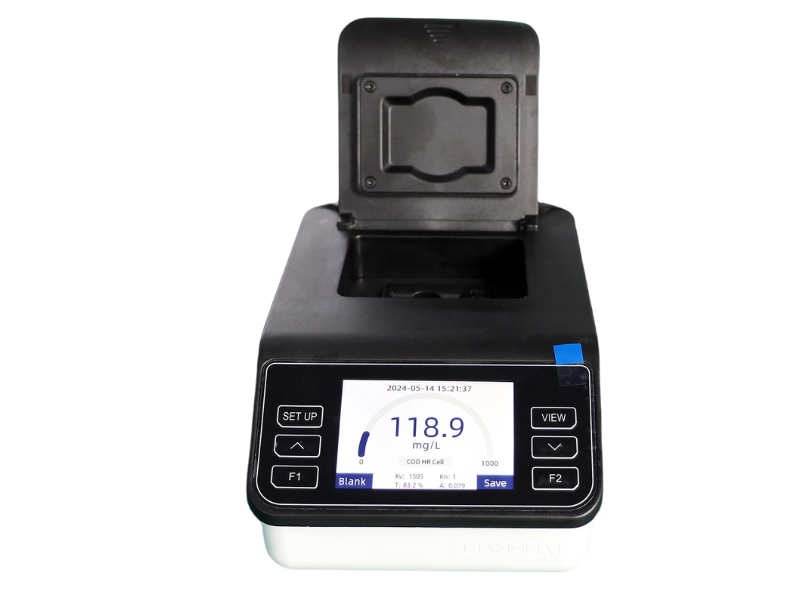
For decades, the standard method for oil and grease analysis involved lengthy, manual solvent extraction using hazardous chemicals like Freon or hexane. Modern technology offers safer, faster, and more user-friendly solutions. Contemporary wastewater treatment oil and grease analyzer instruments automate much of the extraction and measurement process, drastically reducing analysis time, solvent use, and technician exposure risk. When selecting an analyzer, key considerations include methodological compliance with local regulations, sample throughput, ease of use, and the total cost of ownership, which includes ongoing solvent and maintenance expenses. Partnering with a reputable supplier specializing in water quality instrumentation is crucial for selecting the right technology for your specific application.
Conclusion: An Investment in Operational and Environmental Integrity
In summary, rigorous oil and grease analysis is not an optional task. It is a critical investment for any organization committed to operating a reliable, cost-effective, and environmentally responsible wastewater treatment system. By implementing reliable monitoring through capable instrumentation and consistent procedures, facilities gain the actionable data needed to protect infrastructure, optimize processes, ensure compliance, and ultimately safeguard the receiving environment. In the mission to maintain clean water, controlling and measuring oil and grease is an absolutely essential discipline.