EN
EN


How to Choose a Reliable Oil and Grease Analyzer Manufacturer?
For any laboratory or wastewater treatment facility, selecting the right oil and grease analyzer is a significant decision. It represents an investment in precision, regulatory compliance, and operational efficiency. While specifications and price are important factors, the choice often hinges on a more fundamental question: who is behind the instrument? The manufacturer's reputation, quality of support, and long-term commitment are what truly elevate a piece of equipment from a simple purchase to a dependable asset for years to come. So, how do you identify a genuine partner in this technical field?
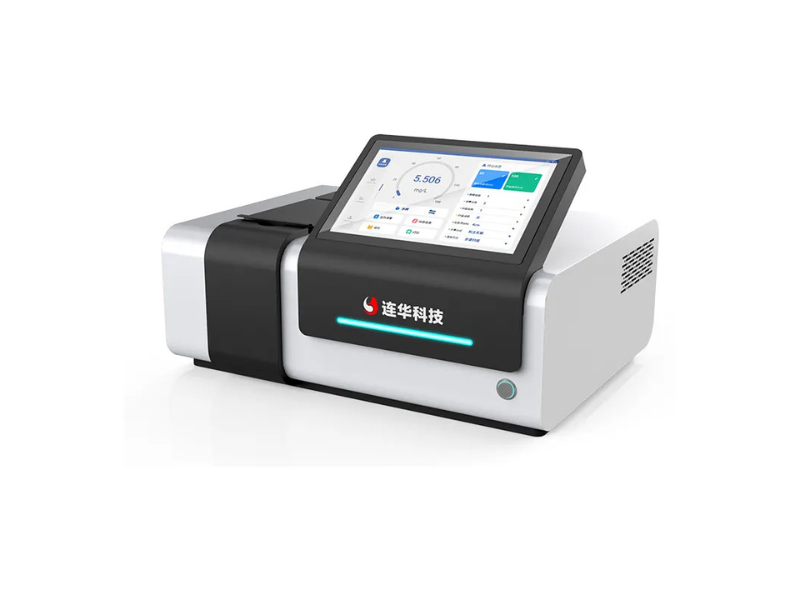
Look Beyond the Brochure: The Pillars of a Trustworthy Manufacturer
A reliable manufacturer is defined by more than just a product catalog. It is an organization built on a solid foundation of experience, unwavering quality, and a customer-driven philosophy. Evaluating these core pillars will guide you toward a sound partnership.
Proven Experience and Industry Stability
In the precision-driven world of environmental analytics, a company's time in the industry is a strong indicator of reliability. Successfully navigating a highly regulated field demonstrates adaptability—the ability to evolve systems and offerings to meet changing technologies and standards. A manufacturer with several decades of operation has invested the time to build lasting customer relationships and develop solutions for complex challenges. Consider a company that has served the water quality sector since the 1980s; it possesses a depth of historical knowledge and practical expertise that a new startup cannot match. Prioritize companies with a stable, long-standing presence and a respected reputation in environmental monitoring.
Commitment to Core Quality and Innovation
A trustworthy manufacturer operates with a clear philosophy: to make analysis simpler, faster, and more accurate. This user-centric focus should be evident in their research and development. Do they innovate to drastically reduce analysis time, delivering precise results in minutes instead of hours? Is user safety a priority, reflected in designs that minimize the use of hazardous solvents? Are the instruments intuitive, reducing training time and the potential for human error? This commitment must be substantiated by excellent product design, robust construction (often evidenced by ISO certifications), and overall instrument integrity.
The Practical Checklist: What to Evaluate Before Deciding
With these core principles in mind, the next step is a practical evaluation of specific offerings. This is where you translate theory into actionable criteria.
Technical Support and Customer Service
The true character of a manufacturer is revealed after the sale. Outstanding technical support is non-negotiable. Before purchasing, thoroughly assess their support structure. Is assistance easily accessible through multiple channels—phone, email, and live chat? Do they employ application specialists who are industry experts and understand the nuances of wastewater compliance monitoring? Evaluate the availability of comprehensive resources: detailed user manuals, clear troubleshooting guides, and a library of practical application notes. Strong support ensures you are never left without help when a problem arises.
Comprehensive Training and Documentation
An instrument is only as effective as the person using it. Reputable manufacturers invest in user competence. They should offer thorough training solutions, which could range from on-site sessions for larger teams to detailed webinar-based tutorials for smaller laboratories. The quality of the provided documentation is equally telling. Manuals should be more than basic guides; they need to be well-illustrated, easy to understand, and cover the complete spectrum of operation—from daily startup and routine procedures to advanced calibration, maintenance, and safety protocols.
Service Network and Long-Term Partnership
Instruments have lifecycles. Inquire about the cost and availability of consumables, replacement parts, and routine maintenance kits. A transparent and reliable supply chain is critical for maintaining an uninterrupted lab workflow. Furthermore, understand the manufacturer's service policy. Do they offer responsive and affordable service contracts? Is there a network of qualified field service engineers to handle complex repairs? Choosing a manufacturer is entering a long-term partnership; you need confidence they will be a capable and supportive partner for the instrument's entire 5, 10, or 15-year lifespan.
Making the Final Decision: Aligning with Your Needs
Finally, synthesize all your research with your specific operational reality. While a global brand may offer wide recognition, a specialized oil and grease analyzer manufacturer with focused expertise in water quality can often provide more tailored solutions and deeper application knowledge. Scrutinize warranty terms carefully, as they reflect the manufacturer's confidence in their product's durability. Perform a balanced evaluation, weighing the initial investment against the total cost of ownership, which includes maintenance, consumables, and potential downtime.
By meticulously assessing a manufacturer's heritage, its dedication to quality and support, and its alignment with your practical needs, you move beyond merely acquiring a product. You select a strategic partner committed to ensuring your lab's data integrity, regulatory compliance, and operational smoothness. This methodical approach is the proven path to a smart, hassle-free investment in your analytical capabilities.