EN
EN


What to Consider When Selecting a Multiparameter Water Quality Analyzer Manufacturer?
For your lab, water treatment plant, or industrial facility, selecting the right multiparameter water quality analyzer is a crucial decision. When weighing your options, it's vital to look beyond just the instrument's specifications. What matters equally, if not more, is the company behind it. You're not just purchasing a device; you're entering a long-term partnership with a manufacturer. Their expertise, reputation, and reliability will directly influence your daily operations and the trustworthiness of your data for years to come. Before getting lost in technical details, take a step back to evaluate the manufacturer itself. Here is a practical guide on the key factors to consider.
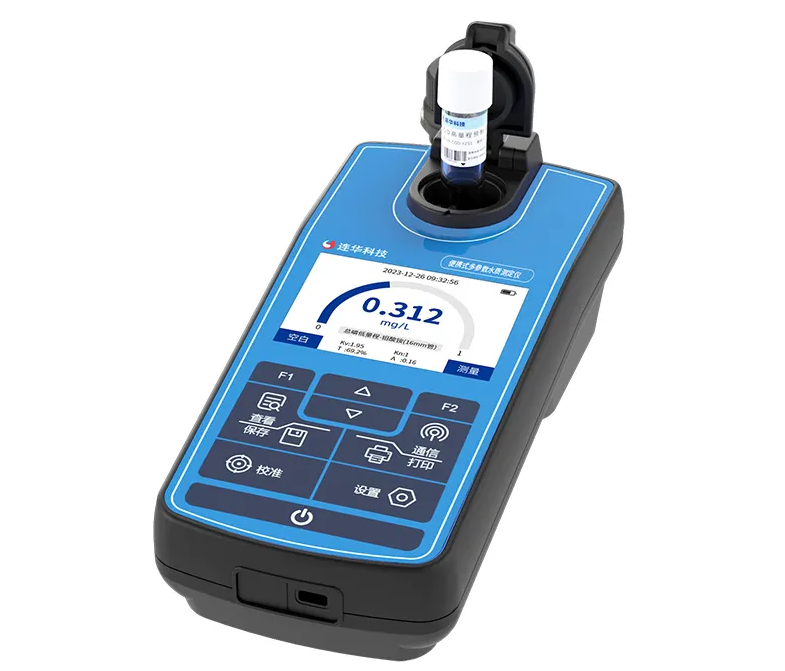
Looking Beyond the Brochure
While a glossy brochure might showcase impressive features, a manufacturer's true value lies much deeper. To make a wise choice, you need to assess them against several fundamental pillars.
Technical Prowess and Innovation
This is the foundation. A manufacturer's technical capability determines the accuracy, stability, and longevity of your analyzer. Investigate their commitment to research and development. Do they have a dedicated R&D team and collaborations with academic institutions? Check their patent portfolio, particularly for core sensor technologies and measurement methods, as it's a strong indicator of genuine innovation and technical expertise. Furthermore, examine their roadmap for the future. Are they integrating IoT capabilities for real-time data and remote diagnostics? Do their systems offer smart features like predictive maintenance? A manufacturer investing in these areas is building for tomorrow's challenges.
Verifiable Performance and Data Integrity
You need data you can stake your reputation on. Scrutinize the objective evidence behind their performance claims. Start with certifications. Compliance with international management standards (like ISO) and regional regulatory marks (such as CE) is a basic benchmark of quality. More importantly, seek independent verification. Have their instruments been rigorously tested by national metrology or environmental monitoring institutes? Reports confirming long-term stability (e.g., over 1200 hours of continuous operation), low failure rates, and accuracy across various conditions are invaluable. Always request performance data relevant to your specific needs, whether it's a low detection limit for nutrients in drinking water or a high-range tolerance for COD in industrial wastewater.
Application-Specific Expertise and Customization
Water quality analysis is not one-size-fits-all. The needs of a municipal drinking water plant differ vastly from those of a pharmaceutical facility or an oceanographic research team. A competent manufacturer understands these nuances. Evaluate their experience in your specific field. Do they have a proven track record in municipal water, complex industrial effluent, or specialized research? Can they provide case studies from similar projects? Also, assess their flexibility. Can they offer tailored solutions, such as a specific sensor combination, a unique communication interface, or a ruggedized housing for harsh environments? A manufacturer that asks detailed questions about your application is one likely to deliver a perfect fit.
Comprehensive Support and Service Lifeline
The moment your analyzer is installed, the value of the manufacturer's support network becomes crystal clear. This area can make or break your experience. Critically evaluate their service scope. Do they have a local or regional network of technicians, or is help days away? For critical operations, a guaranteed onsite response time (some promise within 48 hours in key areas) is essential. Consider the full lifecycle support: Do they provide expert installation, thorough operator training, readily available spare parts, and efficient repair services? Also, inquire about their software and data management support, as modern analyzers are integral to larger data systems.
Financial Health and Market Reputation
You are making a significant investment for the future. Partnering with a manufacturer that has solid financial standing and a strong market position reduces your risk. Look into their history and stability. A company with over a decade of operation and a growing customer base is generally a safer bet. Research their reputation through industry publications, user testimonials, and their standing in professional associations. Have they successfully completed projects for large utilities, renowned corporations, or government agencies? A strong reputation among peers and clients is a powerful testament to their overall reliability.
Making the Final Decision: Aligning Your Needs
With these criteria in mind, turn your selection process into a matching exercise. First, clearly define your own non-negotiable requirements: budget, key parameters (pH, dissolved oxygen, turbidity, COD, etc.), required precision, deployment environment (lab, online, portable), and any compliance mandates.
Remember, the lowest upfront cost can lead to the highest total cost of ownership when factoring in maintenance, downtime, and data quality issues. The time you invest in carefully selecting a trusted Multiparameter Water Quality Analyzer Manufacturer is an investment in the quality, reliability, and integrity of every single data point you will collect.