EN
EN


Kako deluje digitalni analizator za kemijsko potrebo po kisiku?
Če ste se že kdaj spraševali, kako digitalni analizator kemične potrebe po kisiku pretvori zamotano vodno vzorčno v natančno številko na zaslonu, niste sami. Mnogi ljudje domnevajo, da je ta postopek izjemno zapleten, vendar se ob podrobnejšem pogledu izkaže, da sledi precej logični zaporedni vrsti korakov. V bistvu naprava meri količino kisika, ki bi bila potrebna za kemično razgradnjo vse organske snovi, ki plava v vodnem vzorcu. Ali zdaj preverjate odpadne vode iz tovarne ali spremljate lokalno reko, je pravilno določanje te vrednosti ključno za ugotavljanje, ali je voda dovolj čista. Lianhua si je zgradila trdno reputacijo tako, da je celoten postopek naredila hitrejši in lažji, hkrati pa ni žrtvovala natančnosti. Zato si skupaj poglejmo, kaj se dejansko dogaja znotraj ene od teh naprav – korak za korakom.
Oksidacija in razgradnja znotraj prebavne komore
Zelo prva stvar, ki se zgodi, je agresivna kemijska reakcija. V cevko za razgradnjo postavite majhno količino vodnega vzorca, nato dodate močno oksidirno sredstvo, običajno kalijev dikromat, skupaj z žveplovo kislino. Srebrov sulfat deluje kot katalizator za pospeševanje reakcije, v nekaterih primerih pa se doda živosrebrnov sulfat, da se odpravi morebitna motnja zaradi kloridov, ki bi lahko izkrivila rezultate. Preden digitalni analizator za kemijsko potrebo po kisiku sploh lahko karkoli izmeri, mora razgraditi organske spojine v tem vzorcu. Zato se cevko segreje na približno 165 stopinj Celzija, pri čemer se organsko snov oksidira in pretvori v ogljikov dioksid in vodo. Med tem procesom se dikromatni ioni reducirajo v kromove ione, kar povzroči spremembo barve. Več organskega onesnaženja je v vzorcu, bolj izrazita je sprememba barve. Ta pametna trik omogoča instrumentu, da kasneje barvo pretvori v meritev onesnaženja.
Spektrofotometrija pretvori barvo v podatke
Ko se razgradnja konča, se barva raztopine spremeni na način, ki neposredno odraža količino organske snovi, ki je bila oksidirana. Digitalni analizator kemijske potrebe po kisiku nato posreči žarek svetlobe skozi to obarvano raztopino. Običajno uporablja več valovnih dolžin, na primer približno 420 nm za vzorce z nižjim obsegom ali 610 nm za vzorce z višjim obsegom. Z merjenjem količine absorbirane svetlobe instrument uporabi zakon o absorpciji svetlobe (Beer-Lambertov zakon), ki pravi, da je temnejša barva, višja vrednost KPK. Prav tu digitalni vidik res sija. Namesto da bi oseba ocenjevala barvo z očmi ali izvajala ročno titracijo, naprava vse opravi samodejno. Primerja absorpcijo svetlobe z že shranjenimi kalibracijskimi krivuljami in vam poda neposredno branje koncentracije v miligramih na liter. Ta metoda je veliko bolj dosledna in znatno hitrejša od starega načina, pri katerem so vzorce kuhali dve uri in jih nato ročno titrirali.
Vgrajena inteligenca za rezultate v realnem času
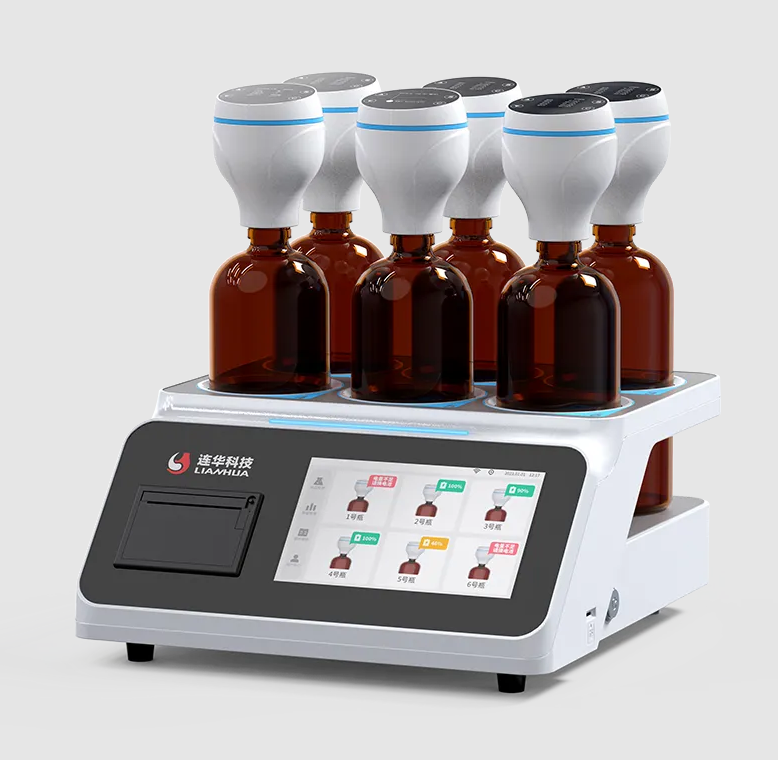
Kar naredi sodoben digitalni analizator kemične potrebe po kisiku resnično močnega, je vgrajena inteligenca. Ti instrumenti niso le preprosti merilniki svetlobe. Shranjujejo stotine standardnih krivulj, ki pokrivajo različne vrste vode – od čiste površinske vode do močno onesnaženih industrijskih odpadnih voda. Ko izvedete analizo, mikroprocesor znotraj naprave samodejno izbere ustrezno krivuljo ali uporabi večtočkovno kalibracijo, ki ste jo predhodno nastavili. Naprava prav tako spremlja temperaturo med razgradnjo in s pomočjo PID-kontrole zagotavlja, da ostane natančno pri 165 stopinjah, kar preprečuje podoksidacijo ali prekomerno oksidacijo. Nekateri napredni modeli celo vključujejo dve ločeni temperaturni coni, tako da lahko hkrati razgrajujete vzorce pri različnih temperaturah brez medsebojnega vpliva. Ko je meritve končana, se rezultat prikaže na jasni digitalni zaslonu, številni modeli pa lahko shranijo do milijonov podatkovnih zapisov ali takoj izpišejo rezultat z vgrajenim termičnim tiskalnikom. Vsa ta inteligenca pomeni, da porabite manj časa za prilagajanje nastavitev in več časa za dejansko razumevanje kakovosti vaše vode.
Zakaj digitalna metoda premaga tradicionalno titracijo
Da resnično razumemo, kako deluje digitalni analizator kemične potrebe po kisiku (COD), je koristno primerjati ga z tradicionalno metodo. V starih časih so tehniki morali vzorce kuhati s pomočjo refluksne naprave, kar je trajalo vsaj dve uri, pogosto celo dlje, nato pa so izvedli ročno titracijo, da so ugotovili količino ostanka dikromata. Ta postopek je bil počasen, zahteval je veliko spretnosti in vseboval je številne možnosti za človeško napako. Digitalna različica celoten delovni proces stisne v dvajset minut ali manj. Namesto da bi opazovali buret in poskušali natančno ugotoviti trenutek spremembe barve, preprosto vstavite predelano cevko, pritisnete gumb in naprava samodejno prebere absorbancijo. Tehnologija poleg tega zelo zanesljivo obravnava tudi motnje zaradi kloridov, saj vključuje vgrajene algoritme, ki se za to prilagodijo. Za vsakogar, ki je kdaj porabil dolgo popoldne za ročno izvajanje testov COD, predstavlja prehod na digitalno rešitev podoben prehodu od konjskega vozička do sodobnega avtomobila.
Praktične značilnosti oblikovanja, ki poenostavijo vsakodnevno uporabo
Digitalni analizator kemične potrebe po kisiku ni le vprašanje notranje kemije. Fizična konstrukcija prav tako veliko prispeva k olajšanju vašega dela. Številni modeli na trgu danes ponujajo barvnostno analizo z 360-stopinjskim vrtenjem, kar pomeni, da se cev med merjenjem svetlobe vrti, da se izognejo morebitnim nepravilnostim zaradi praske ali mehurčkov. Optični sistemi sami uporabljajo hladne svetlobne vire, kot so LED-diode, ki imajo življenjsko dobo več kot sto tisoč ur, zato jih ni treba stalno menjati. Prenosljivost je še ena pomembna prednost. Nekatere trpežne poljske naprave so opremljene z vgrajenimi polnljivimi baterijami in avtomobilskimi napajanji, kar vam omogoča izvajanje testov kjerkoli brez iskanja električnega vtiča. Tudi uporabniški vmesnik je naredil velik napredek. Veliki dotikalni zasloni z intuitivnimi meniji vas vodijo skozi vsak korak in napravo naredijo dostopno celo osebam, ki niso strokovni kemiki. Te praktične izboljšave pomenijo, da se lahko osredotočite na pomembno – pridobivanje zanesljivih podatkov brez nepotrebnih težav.