EN
EN


Why Choose a Rapid Detection Chemical Oxygen Demand Analyzer?
Traditional water testing takes way too long when you are standing next to a river or staring at an industrial discharge pipe. Waiting two to four hours for a single chemical oxygen demand result just does not work anymore, especially with regulations getting tighter every year. A rapid detection chemical oxygen demand analyzer changes the whole game by cutting that testing time down to under thirty minutes. Many facilities have discovered that switching to fast testing solutions saves them from compliance headaches and keeps their operations running smoothly. Lianhua has been leading this field since 1982, building instruments that give you reliable data without keeping you waiting around all day.
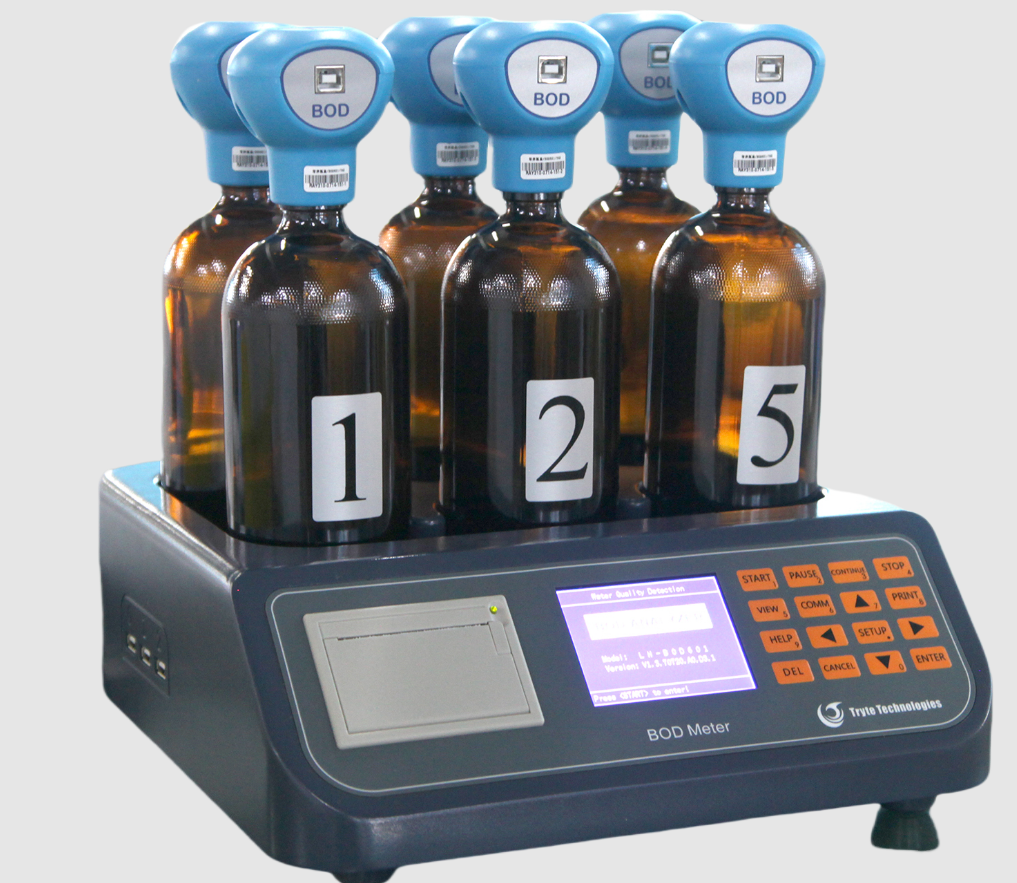
Hours down to minutes with fast digestion technology
Here is what really makes the difference. Old school chemical oxygen demand testing forces you to use an open reflux setup that boils samples for at least two hours, sometimes even four. That means you are stuck in the lab watching liquid bubble away while your treatment plant might be discharging who knows what into the environment. A rapid detection chemical oxygen demand analyzer uses a completely different approach. It puts the sample into a sealed tube and heats it up to around 165 degrees Celsius. The reaction happens inside a closed vessel, so the digestion finishes in just ten to twenty minutes. That is about eighty percent faster than the old methods. Then a built in spectrophotometer measures how much light gets absorbed by the colored solution. The whole thing takes about thirty minutes from start to finish. For labs handling forty to sixty samples per hour with automated systems, that kind of speed transforms daily operations entirely.
Real time data for smarter decision making
Think about what happens when you have to wait half a day for COD results. Your wastewater treatment adjustments are always running behind schedule. Pollution spikes go unnoticed until way after the fact. Compliance violations pile up before you even know there is a problem. Getting fast results changes all of that instantly. With a rapid detection chemical oxygen demand analyzer sitting right at your facility, you can test effluent samples at the discharge point and see the numbers right away. If levels are creeping up, you adjust your treatment process on the spot. One municipal sewage facility in Beijing cut their testing time from several hours down to just thirty minutes using this technology, and they reported a forty percent boost in operational efficiency. That kind of real time feedback means you stop reacting to problems after they happen and start preventing them before they start.
One instrument handles multiple pollution parameters
A rapid detection chemical oxygen demand analyzer does not just measure COD and call it a day. These instruments often come equipped to handle a whole bunch of other water quality indicators too. You can test for ammonia nitrogen, total phosphorus, total nitrogen, turbidity, and even different heavy metals all with the same device. Some models measure over one hundred different parameters. That versatility is huge when you are running a treatment plant or monitoring industrial wastewater. Instead of buying separate machines for each test, you get one reliable instrument that gives you a complete picture of what is in your water. Food processing companies have used these analyzers to check water quality in real time during production, making sure everything stays within health and safety standards. Petrochemical facilities rely on them for quick assessments of their effluent before discharge.
User friendly design means less training time
One worry people always bring up with advanced testing gear is how complicated it looks. Nobody wants to spend weeks learning how to push buttons and interpret results. Modern rapid COD analyzers are built with regular operators in mind, not just chemists with PhDs. The screens are clear and the menus walk you through each step. You basically put your sample into a prepared reagent vial, heat it up in the digestion block, and then stick it into the analyzer. The machine does all the math for you. Calibration curves are already stored in the system, so you are not sitting there graphing things out by hand. Many facilities have cut their technician training time by around sixty five percent after switching to rapid testing instruments. That means new hires can start running tests on their own after just a short demonstration instead of needing constant supervision.
Cost savings outweigh the initial investment
People sometimes hesitate because they think rapid testing equipment costs too much upfront. But let us look at the bigger picture. Traditional chemical oxygen demand testing eats up around twelve thousand dollars a year in reagent costs alone. Rapid testers bring that number down to about four thousand dollars annually. That is eight grand saved right there. On top of that, faster testing means you avoid compliance violations, which have gotten about forty two percent more expensive since 2020. Labs using automated rapid COD analyzers can process roughly three times more samples in a day compared to manual methods. You also use less energy, less water for cleaning glassware, and fewer hazardous chemicals overall. The sealed vials cut down on exposure to dangerous substances too, which keeps your staff safer. All those savings add up pretty quickly, and the instrument usually pays for itself within the first year or two of regular use.
The bottom line on rapid detection
Choosing a rapid detection chemical oxygen demand analyzer makes sense for anyone who needs to know their water quality status without waiting around forever. The speed advantage is obvious, going from hours down to minutes per test. But the real value comes from what that speed enables, better compliance, faster responses to pollution events, more efficient use of staff time, and lower operating costs overall. Whether you are running a municipal sewage plant, a food processing facility, or a petrochemical operation, having fast and reliable COD data at your fingertips changes how you manage water quality. The technology has come a long way since the days of open reflux boiling and manual titrations. With user friendly interfaces, multi parameter capabilities, and proven accuracy that matches traditional methods within about five percent, rapid detection is simply the smarter choice for modern water quality monitoring.