EN
EN


Jakie są korzyści z zastosowania analizatora zapotrzebowania na tlen chemiczny o wysokiej precyzji?
Kiedy zacząłem pracować nad jakością wody, typowa procedura laboratoryjna dla zapotrzebowania na tlen chemiczny obejmowała gotowanie próbek przez wiele godzin, a następnie ręczne ich titrowanie. Musiałeś być bardzo ostrożny, a nawet wtedy zawsze było wątpliwości co do liczb, które dostałeś. Od tamtej pory wiele się zmieniło. Wysokiej precyzji analizator zapotrzebowania na tlen zmienia to wszystko, dając ci liczby, którym możesz ufać. Niezależnie od tego, czy prowadzisz komunalną oczyszczalnię czy monitorujesz ścieki przemysłowe, wbudowanie precyzyjnych pomiarów w codzienny program pozwala uniknąć wielu kłopotów. Lianhua produkuje te instrumenty od 1982 roku, a technologia staje się coraz lepsza w dostarczaniu wiarygodnych danych bez wszelkich domysłów. Przejdźmy do tego, dlaczego użycie urządzenia o wysokiej precyzji robi taką różnicę.
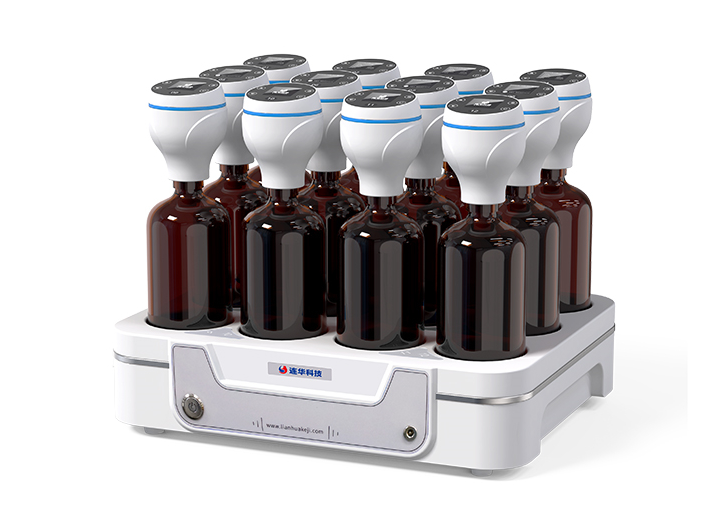
Zaufanie do każdego generowanego punktu danych
Najważniejszym powodem wyboru analizatora zapotrzebowania na tlen chemiczny o wysokiej precyzji jest po prostu pewność, że uzyskane dane są wiarygodne. W branży monitoringu jakości wody wyniki pomiarów stanowią podstawę do podejmowania konkretnych działań. Oczyszczalnia może np. dodać chemikalia lub dostosować przepływy na podstawie odczytanych wartości. Inspektor nadzoru regulacyjnego może nałożyć karę finansową, jeśli wyniki wskazują na naruszenie przepisów. Dzięki sprzętem o wysokiej precyzji osiąga się dokładność w zakresie ±5% lub nawet lepszą – w przypadku niektórych modeli. Niektóre urządzenia osiągają powtarzalność ≤3%, co oznacza, że przy wielokrotnym badaniu tego samego próbki uzyskuje się zawsze takie same, spójne wyniki. Porównaj to z tańszymi miernikami, których błąd może się wahać w zakresie ±10–15% – łatwo zauważyć, jak szybko kumulują się błędy. Gdy jedna z oczyszczalni w Pekinie przeszła na system o wysokiej precyzji, odnotowała wzrost efektywności o 40%, wyłącznie dlatego, że nie musiała już każdą drugą wartość sprawdzać ponownie.
Zachowanie zgodności z przepisami
Zgodność z przepisami nie jest opcjonalna. Jeśli w wydanej tobie decyzji zezwalającej na odprowadzanie ścieków określono, że zapotrzebowanie tlenu chemicznego (COD) nie może przekraczać 75 miligramów na litr, musisz mieć pełną pewność, że rzeczywista wartość wynosi 73 mg/l, a nie 81 mg/l. Analizator zapotrzebowania tlenu chemicznego o wysokiej precyzji zapewnia Ci tę pewność. Przepisy środowiskowe dotyczące ścieków stały się znacznie surowsze w ciągu ostatnich kilku lat, a wysokość kar za ich naruszenie wzrosła o około 42% od 2020 roku. Przenośne urządzenia o wysokiej dokładności pozwalają na przeprowadzanie pomiarów bezpośrednio w miejscu odprowadzania ścieków, jeszcze przed opuszczeniem przez nie Twojej instalacji. Jeśli wartości zaczynają się powoli podnosić, możesz natychmiast dostosować swój proces oczyszczania, zamiast czekać trzy dni na wyniki analiz laboratoryjnych. Monitorowanie w czasie rzeczywistym z wysoką precyzją pozwala uniknąć nakazów karnych, chroni Twoją reputację oraz zapobiega problemom prawno-organizacyjnym. Wiele zakładów zastosowało tę metodę i zredukowało liczbę przypadków niezgodności z przepisami niemal do zera.
Lepsza kontrola procesu przy mniejszym ryzyku błędów wynikających z domysłów
Skład ścieków ulega ciągłej zmianie w ciągu dnia. Próbka pobrana rano może wyglądać zupełnie inaczej niż próbka pobrana po południu, w zależności od tego, co dzieje się wewnątrz Twojej instalacji. Bez dokładnych danych w czasie rzeczywistym działasz właściwie w ciemności. Analizator zapotrzebowania chemicznego na tlen o wysokiej precyzji dostarcza szczegółowych informacji niezbędnych do dopasowania procesu oczyszczania. Możesz dokładnie zobaczyć, jaka ilość obciążenia organicznego napływa do instalacji, i odpowiednio dostosować dawkowanie chemikaliów. Ta precyzja pozwala uniknąć nadmiernego oczyszczania – co wiąże się z marnowaniem środków – oraz niedostatecznego oczyszczania, które prowadzi do naruszeń przepisów. Niektóre instalacje obniżyły swoje koszty zakupu chemikaliów o piętnaście–dwadzieścia procent jedynie dzięki zastosowaniu dokładnych pomiarów COD do zoptymalizowania dawek. Możliwość wykrycia niewielkich odchyłek jeszcze zanim stanie się z nich poważny problem ma ogromne znaczenie. Niewielki wzrost wartości COD może trwać zaledwie godzinę, ale dzięki dokładnemu monitoringu wykrywasz go natychmiast i korygujesz jeszcze przed tym, jak stanie się on zagrożeniem dla zgodności z przepisami.
Wykrywanie problemów zanim stanie się to poważne
Jedną z często pomijanych zalet precyzyjnych przyrządów pomiarowych jest wykrywanie subtelnych zmian, które mogą wskazywać na rozwijający się problem. Jeśli dokładność odczytów wynosi jeden lub dwa procent, można zauważyć niewielkie wzrosty wartości, których taniej aparatury w ogóle nie wykryłaby. Taki wczesny sygnał ostrzegawczy daje czas na ustalenie przyczyny wzrostu i jego usunięcie, zanim sytuacja wyjdzie spod kontroli. Na przykład rafineria petrochemiczna korzystająca z precyzyjnego monitoringu ChZT wykryła stopniowy wzrost obciążenia organicznego, który okazał się być skutkiem niewielkiej wycieki w wymienniku ciepła. Naprawa wycieku została przeprowadzona w ciągu kilku godzin zamiast kilku dni, co pozwoliło zaoszczędzić dziesiątki tysięcy dolarów na utracie produktu oraz potencjalnych karach środowiskowych. Gdyby nie ta możliwość precyzyjnego wykrywania, wyciek trwałby aż do chwili, gdy stałby się oczywisty – najprawdopodobniej podczas inspekcji regulacyjnej lub nagłego zdarzenia z uwalnianiem substancji. Profilaktyka rzeczywiście jest tańsza niż usuwanie skutków.
Spójne wyniki niezależnie od osoby wykonującej badanie
Błąd ludzki to rzeczywistość w badaniach jakości wody. Różni technicy mogą dodawać odczynniki z nieco inną prędkością lub nieco inaczej odczytywać skalę barwną. Wysokoprecyzyjny analizator zapotrzebowania tlenu chemicznego eliminuje niemal całą tę zmienność. Wystarczy przygotować próbkę, umieścić ją w bloku mineralizacyjnym i pozostawić resztę pracy urządzeniu. Maszyna wykonuje dokładnie tę samą procedurę za każdym razem – niezależnie od tego, czy operator zmiany wykonywał tę czynność przez dziesięć lat, czy dopiero przez dziesięć dni. Taka spójność jest niezbędna, gdy trzeba porównywać dane z różnych zmian lub różnych lokalizacji. Przenośna jednostka o wysokiej dokładności pozwala szybko szkolić nowy personel, bez obawy, że popełni błędy w pomiarach. Wbudowana inteligencja obsługuje wszystkie obliczenia oraz wybór krzywych kalibracyjnych, więc poziom umiejętności operatora ma znacznie mniejsze znaczenie niż wcześniej.
Długoterminowe oszczędności, które szybko się kumulują
Wielu ludzi patrzy na cenę wysokoprecyzyjnego analizatora zapotrzebowania tlenu chemicznego (COD) i waha się. Porozmawiajmy jednak o tym, co oszczędzasz dzięki uzyskiwaniu dokładnych wyników. Po pierwsze – powtórne badania. Gdy Twoje pomiary są spójne, nie musisz trzykrotnie badać tego samego próbki tylko po to, aby się upewnić. Oszczędza to koszty odczynników oraz czas personelu. Po drugie – zgodność z przepisami. Uniknięcie zaledwie jednej sankcji regulacyjnej może łatwo pokryć różnicę w cenie między standardowym miernikiem a urządzeniem wysokiej precyzji. Po trzecie – zużycie chemikaliów. Dokładne monitorowanie oznacza, że dodajesz dokładnie tyle, ile jest potrzebne, a nie nadmiarowe zapasy bezpieczeństwa. W skali roku te oszczędności naprawdę się kumulują. Niektóre zakłady zgłaszają obniżenie rocznych kosztów eksploatacyjnych o trzydzieści procent po przejściu na sprzęt wysokiej precyzji. Urządzenie zazwyczaj spłaca się w ciągu osiemnastu do dwudziestu czterech miesięcy. Wysokiej jakości jednostki mają również dłuższą żywotność – źródła światła LED są wykonywane z myślą o ponad stu tysiącach godzin pracy. Nie musisz więc ciągle wymieniać żarówek ani radzić sobie z awariami.
Podjęcie ostatecznej decyzji
Jeśli poważnie traktujesz zarządzanie jakością wody, analizator zapotrzebowania tlenu chemicznego (COD) o wysokiej precyzji to po prostu odpowiednie narzędzie do wykonania zadania. Korzyści wykraczają daleko poza uzyskanie pojedynczej liczby na ekranie. Otrzymujesz zaufanie do swoich danych, ochronę przed sankcjami regulacyjnymi, lepszą wydajność procesów, wczesne ostrzeżenia przed powstającymi problemami oraz mierzalne oszczędności kosztów w dłuższej perspektywie czasowej. Technologia uległa tak znacznemu udoskonaleniu, że nawet przenośne modele zapewniają dziś dokładność, która wcześniej wymagała stosowania gabarytowego sprzętu laboratoryjnego. Dzięki intuicyjnym interfejsom użytkownika, możliwościom pomiaru wielu parametrów jednocześnie oraz komponentom o długim okresie użytkowania nie ma już żadnych uzasadnionych powodów, aby się zadowalać rozwiązaniem o niższej precyzji. Niezależnie od tego, czy prowadzisz małą instalację przemysłową, czy dużą miejską oczyszczalnię ścieków, posiadanie precyzyjnych wyników pomiaru COD w zasięgu ręki zmienia sposób, w jaki podejmujesz działania związane z jakością wody – od podstaw.