EN
EN


Method and Key Points for Determination of Total Nitrogen in Seawater Using Lianhua Technology LH-TN360
Time : 2026-06-25
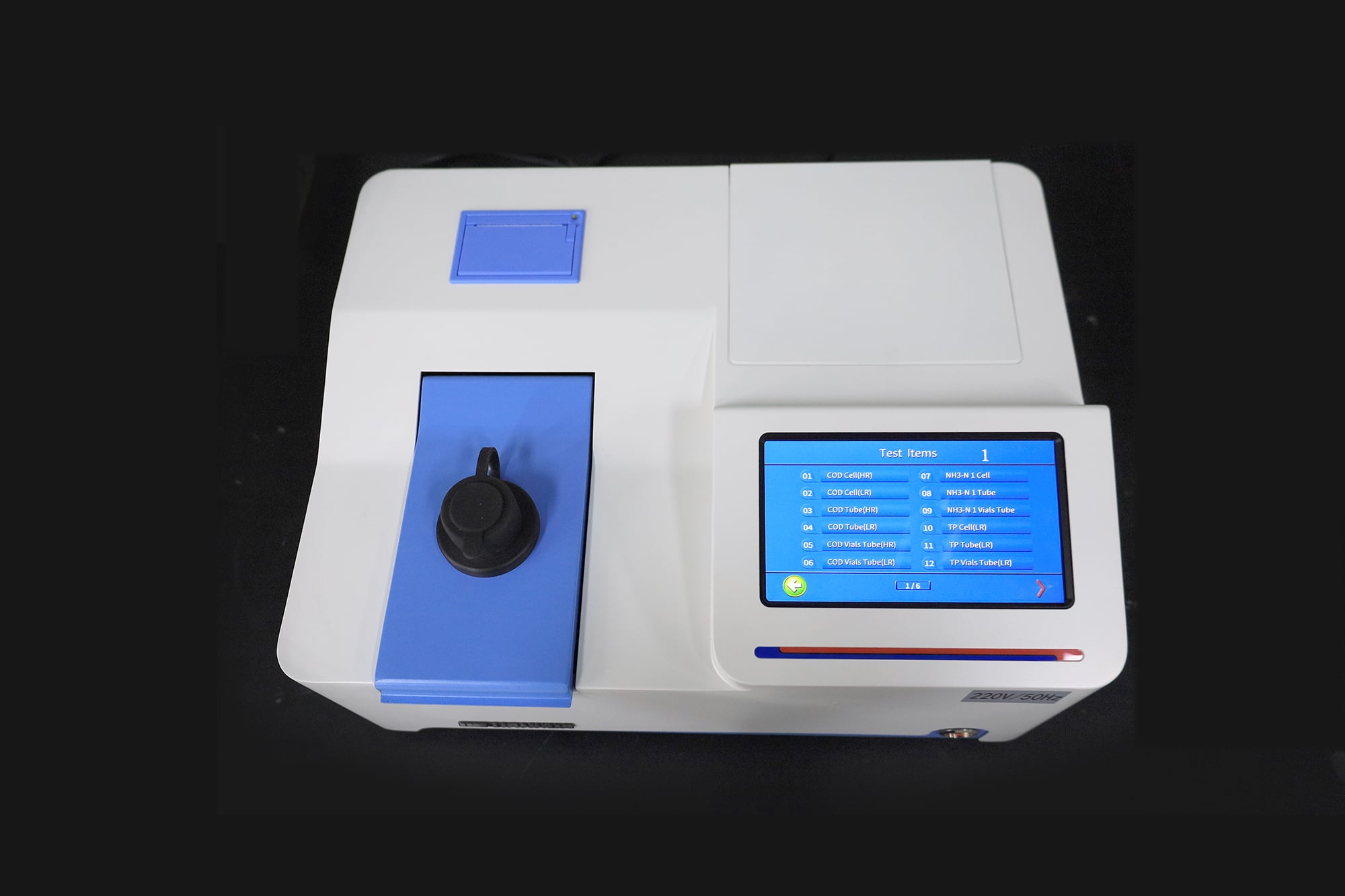
The core testing principle for total nitrogen (TN) in seawater using the Lianhua Technology LH-TN360 analyzer follows the alkaline potassium persulfate digestion method specified in HJ 636-2012 combined with ultraviolet dual-wavelength spectrophotometry. Dilution, matrix matching and hydrochloric acid correction are adopted to counteract interference from high salinity and high chloride levels in seawater.
I. Method Principle and Instrument Parameters
Principle
Samples are digested with alkaline potassium persulfate at 122 °C to convert all nitrogen-containing substances into nitrate ions. Absorbance values are measured at 220 nm and 275 nm under ultraviolet light, and quantification is performed using the formula: .
- Measuring range: 0–80 mg/L (segmented measurement)
- Detection limit: 0.05 mg/L
- Compliant standard: HJ 636-2012
- Light source: Imported deuterium lamp
- Configuration: 7-inch touchscreen, direct concentration readout
II. Characteristics of Seawater Samples and Interference Elimination
Seawater has a salinity of approximately 35 with chloride ion content around 19 g/L. When salinity exceeds 20, HJ 636 method recovery rate declines and residual potassium persulfate occurs.
Key Treatment Measures
- Dilution: For salinity above 20, dilute samples 2–5 times using ammonia-free artificial seawater for matrix matching, and prepare a diluted blank solution simultaneously.
- Chloride ion: Samples with < 2000 mg/L can be tested directly; high-chloride samples shall be diluted prior to measurement.
- Carbonate interference: Add 4 mL of 1.3% hydrochloric acid after digestion to eliminate carbonate interference.
- Precipitate issue: If white precipitates (metal salts) form post-digestion, take the supernatant for colorimetric measurement.
III. Operation Procedures (Seawater-Adapted Version)
1. Preparations
- Preheat the digester to 150 °C; power on the LH-TN360 and warm it up for 10 minutes.
- Filter seawater samples through a 0.45 μm membrane filter. Dilute high-salinity samples with ammonia-free artificial seawater and record the dilution factor.
2. Digestion (Run blank and sample tests in parallel)
- Pipette 5.00 mL of ammonia-free pure water (for blank test) or seawater sample into a digestion tube.
- Add 1.0 mL of LH-TN-F11A reagent and one TN-K20 tablet, tighten the cap and shake thoroughly to mix.
- Digest at 150 °C for 20 minutes; cool naturally for 2 minutes upon completion, then cool in cold water for another 2 minutes down to room temperature.
- Add 2.0 mL of LH-TN-F11B reagent, shake well for subsequent colorimetry.
3. Measurement
- Rinse the quartz cuvette 2–3 times with blank solution, fill it with blank solution and place it into the cell holder.
- Select the pre-stored total nitrogen calibration curve on the instrument and press the blank button for zero calibration.
- Rinse the cuvette with sample solution, measure absorbance of each sample, and the instrument will display concentration readings directly.
- Multiply the displayed reading by the dilution factor to obtain the total nitrogen concentration of the original seawater sample.
IV. Common Problems and Solutions
-
Elevated blank value
- Nitrogen impurities in potassium persulfate: Purify the reagent.
- Impure hydrochloric acid: Use guaranteed reagent grade hydrochloric acid.
-
Precipitate formation
- Interference from metal ions: Measure absorbance using supernatant only.
- Persistent precipitate after hydrochloric acid addition: Reduce sample volume or further dilute the sample.
V. Safety Precautions & Instrument Maintenance
- Potassium persulfate is a strong oxidizing agent; avoid direct skin contact. Collect and treat waste liquid in compliance with regulations.
- Clean and air-dry quartz cuvettes after use to prevent scratching. Calibrate the instrument once per month routinely.