EN
EN


When is a Benchtop BOD Meter the Best Choice?
If you have ever spent time in a water quality lab, you know picking the right gear matters a lot. A lot of folks get stuck deciding between something portable and something that stays put on a bench. This article talks about when that larger, stationary choice, specifically a benchtop bod meter, becomes the real hero of the workspace.
Laboratory Settings Demand Stability
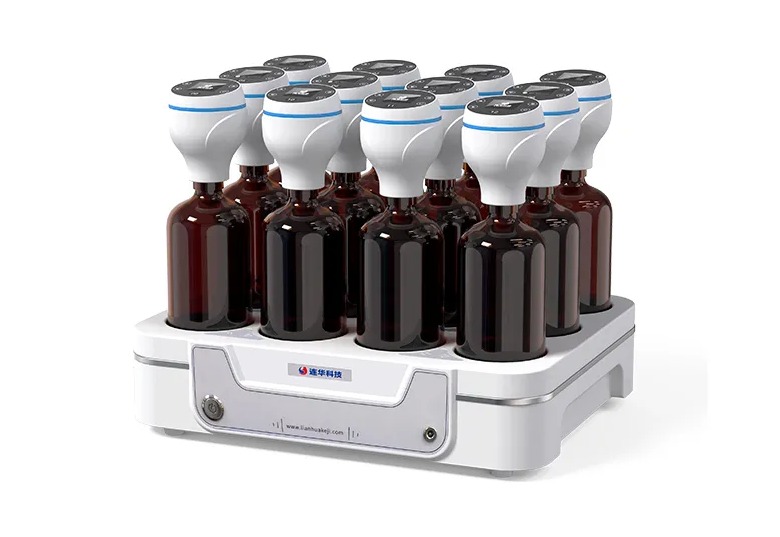
Labs are all about controlled conditions. You need results you can trust, not ones that change because someone bumped the device. A benchtop bod meter sits solidly on the counter. It connects to power directly, so you never worry about batteries dying in the middle of a five day test. These units come with bigger screens and more buttons for fine tuning. You can see all the data at once without squinting. For a place that does testing every single day, that stability is non negotiable. You want the machine to feel like part of the furniture, reliable and always ready.
Large Batch Processing Made Simple
Imagine having thirty water samples waiting on the rack. A small portable device would take forever. You would have to test one, clean the probe, test the next, and write everything down by hand. That is a waste of time. A good benchtop bod meter handles many samples at once. Some models can run a dozen bottles simultaneously. You set them up, press start, and walk away. The machine records everything automatically. When you come back after the incubation period, all the data is ready for you. No extra steps, no guesswork. That kind of efficiency saves hours every week, letting you focus on more interesting work.
Handling High Concentration Wastewater
Not all water is the same. Some samples, like industrial discharge or raw sewage, have really high organic loads. If your device has a narrow range, you end up diluting samples over and over again. That introduces errors and takes extra time. A proper benchtop bod meter covers a wide measurement span, often from zero up to 4000 mg/L without any dilution needed. You just put the sample in the bottle, and the sensor does the rest. It uses the manometric method, which measures pressure changes as bacteria consume oxygen. This approach is straightforward and cuts down on messy reagents.
Long Term Monitoring Without Interruption
Some tests run for days, not hours. The standard BOD5 test takes five full days. If the power flickers or someone accidentally unplugs a portable unit, you might lose everything. That is frustrating. A benchtop bod meter often has backup features built right into the test caps. Each cap can store its own data and run on internal batteries for a while. So even if the main unit loses power briefly, the experiment keeps going. When the power comes back, the data syncs up. That peace of mind is worth a lot when you are running critical compliance tests.
Comparison with Portable Alternatives
So when do you choose the portable one instead? Field work. If you are out by a river, checking a remote discharge point, or moving between different sites all day, portability wins. You need something light and rugged. But for a central lab where samples come to you, the benchtop version is simply better. It offers more precision, handles higher volumes, and reduces human error through automation. The cost is higher upfront, but the return on investment shows up quickly when you see how much time you save.
Making the Final Decision
Think about your daily routine. Are you mostly in one room with power outlets and a stable temperature? Do you process more than ten samples a week? Do you need records that stand up to an audit? If you answered yes to those questions, a benchtop bod meter is the smart buy. It takes the hassle out of BOD testing. The machine handles the repetitive work. You get to spend your energy on interpreting results and solving problems. That is what good equipment is supposed to do, make your job easier, not harder.