EN
EN


How to Choose a BOD Apparatus Manufacturer?
Time : 2026-05-19
Picking the right biochemical oxygen demand testing equipment is a big deal if you work in a lab or manage a wastewater treatment facility. Honestly, the market is flooded with options, and every sales pitch sounds convincing. But not all bod apparatus manufacturer choices are created equal. Making the wrong call can lead to wasted time, unreliable data, and serious compliance headaches down the road. So let's walk through the key things that actually matter when making this decision.
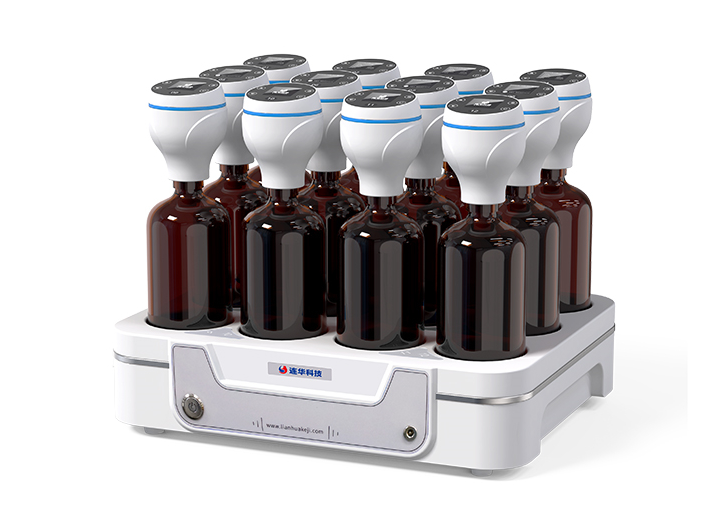
Look Beyond the Spec Sheet
Specifications are important, sure. You need to know the measurement range, error margin, and testing period that a device supports. For example, a solid instrument should handle a range like 0 to 4000 mg/L with a measuring error around 5 percent, and offer flexible cycle lengths from 1 to 7 days depending on what your workflow needs. But numbers on a page only tell part of the story. The real test is how the equipment performs day after day in your actual working environment. Ask potential suppliers about long term stability. Ask them how their devices hold up after hundreds of test cycles. A manufacturer worth your time will have concrete answers and maybe even case studies to share.
Methodology Matters More Than You Think
BOD testing is not a one size fits all process. Different labs use different methods, and the instrument needs to align with how your team already operates. The manometric method is widely respected because it is mercury free and provides accurate, reliable data without environmental contamination risks. When talking to manufacturers, dig into their measurement approach. Is it compliant with your local regulatory standards? Does it match the testing protocols your lab follows? A responsible supplier will walk you through the methodology in plain language and help you understand exactly how the readings are generated.
Efficiency Should Never Be an Afterthought
Time is money, especially in high throughput laboratories. If you are running dozens of samples daily, you cannot afford an instrument that tests only one sample at a time. Look for equipment that enables simultaneous multi sample testing, which cuts down labor and turnaround time significantly. Also check whether the system offers automatic data logging and printing. Features like automatic daily print data and color LCD displays that show sample values in different colors make the testing process much smoother and reduce the chance of human error. Ask yourself honestly: will this device streamline my workflow or create more busywork for my technicians?
Data Handling Is a Hidden Deciding Factor
Modern labs depend on digital records, traceability, and easy reporting. The BOD instrument should support data transfer to computers through USB or other communication methods. Some devices even offer optional infrared transmission for added flexibility. Beyond connectivity, consider how much data the system can store internally. A good instrument keeps years of records accessible so you can review historical trends without digging through filing cabinets. If a manufacturer seems vague about data management features, treat that as a red flag.
Durability and Support Go Hand in Hand
Laboratory equipment takes a beating over time, especially if it moves between lab benches and field sites. The build quality needs to be robust enough for real world conditions. But even the toughest machine will eventually need maintenance or troubleshooting. This is where after sales support becomes critical. A manufacturer that offers professional technical support and responsive service will save you countless hours of frustration. Check reviews, ask about warranty terms, and inquire how quickly spare parts can ship. The cheapest upfront price often becomes the most expensive option if you cannot get help when something breaks.
Think Long Term, Not Just Today
It is tempting to buy the instrument that meets your current needs and call it done. But laboratory demands grow over time. A smart approach is to choose a manufacturer that offers scalable solutions, so as your testing volume increases, the equipment can keep up. Also consider whether the supplier has a proven track record and a strong reputation across multiple industries, including environmental monitoring, petrochemical, and food processing applications. Longevity in the market usually signals reliability and a commitment to continuous innovation.
Making the Final Call
After weighing all these factors, the best choice will be a manufacturer that balances precision, practicality, and partnership. One provider worth considering is Lianhua, which has spent over four decades developing water quality testing instruments and now serves clients across more than 22 provinces with standardized production and experienced R&D teams. Their BOD analyzers emphasize user friendly operation, automatic calibration, and seamless data export functions that genuinely reduce human error and improve decision making speed. Whether you go with them or another supplier, focus on finding a partner that understands your operational needs and can support your lab as it evolves.